




Creatine for women over 35 supports energy, brain, hormones, and muscle. Learn how to use it the right way, avoid bloating, and feel the difference.

Reading Time: 11 minutes
Creatine is one of the most researched tools a woman over 35 can use for energy, brain fog, hormones, and muscle, because it refuels ATP, your cellular energy. The smarter way to take it is to prep your mitochondria, support your kidneys and drainage at the same time, cycle it wisely, and hydrate well. Do those four things and you get the benefits without the bloating.
Creatine is not just for gym bros, and if you are over 35 you may be the one who needs it most
If you are a woman in your late 30s, 40s, or 50s and you feel foggy, flat, and worn down even when you are doing everything right, creatine might be one of the most useful tools you are not using yet. I am Nikki Yelton, a Registered Dietitian Nutritionist and board-certified Functional Medicine Practitioner, and I help purpose-driven women over 35 get to the root cause of their fatigue, gut issues, and hormonal shifts so they can reclaim lasting energy. This is the same framework I walk clients through inside The Abounding 5™ Method.
A few years ago, right after my second son, I told my husband I was going to start taking creatine. I was about 37, running on half the sleep my body was used to, breastfeeding, caring for a toddler and a newborn, and running my practice. He laughed and asked if I was trying to build muscle like the gym bros. I was not. I was using it to support my energy, my hormones, and my brain through one of the most depleting seasons of my life. And the research backs up exactly why that worked.
Most women hear creatine and think muscle building or fitness supplements. That is only a sliver of the picture. The bigger story, especially after 35, is energy, brain clarity, hormonal resilience, and protecting the muscle that keeps your metabolism and blood sugar steady. Used the right way, creatine supports all of it. Used the wrong way, it can leave you puffy and bloated, which is exactly why so many women quit before it ever had a chance to work.
What does creatine actually do in the body?
Creatine helps your cells regenerate ATP (Adenosine Triphosphate), which is the energy currency every organ and system in your body runs on. Your body already makes about half of what you use in the liver, kidneys, and pancreas from three amino acids: arginine, glycine, and methionine. The other half comes from animal protein like red meat and fish.
Once creatine is in your body, it stores mostly in your muscles, but a significant amount also goes into your brain. That brain storage is the part most women have never heard about, and it is a big reason supplementing has such a noticeable effect on mental clarity. Think of ATP as the gasoline every cell needs to heal and function, and creatine as the raw material that helps your cells make more of it on demand. When ATP production improves, your muscles, brain, heart, and hormones all benefit.
Is creatine good for women over 35?
Yes. Creatine is especially valuable for women over 35 because three shifts happen around this age that make the body more dependent on the exact support creatine provides: natural creatine stores decline, estrogen changes how the brain makes energy, and muscle loss accelerates. Creatine helps address all three at once.
Here is what is actually changing under the surface:
Your natural creatine stores start to decline
Just like CoQ10, glutathione, and stomach acid, your body makes less creatine as you age. Pair that decline with the reality that most women are not eating enough red meat or quality animal protein, and your baseline creatine level starts dropping right when your body needs more energy support, not less.
Estrogen changes how your brain makes energy
As estrogen begins to fluctuate through perimenopause and into menopause, your brain becomes less efficient at generating energy from glucose. Estrogen plays a major role in that process. Creatine offers your brain an alternative energy pathway, which is one of the biggest reasons so many women report sharper mental clarity after a stretch of brain fog once they start using it.
Muscle loss speeds up
Muscle loss accelerates in this season, and women can lose a meaningful amount of muscle mass through perimenopause even when the scale does not move. Declining estrogen speeds up muscle protein breakdown. Muscle is not about aesthetics here. It is foundational for your metabolism, your blood sugar regulation, and your hormonal balance, which is exactly why protecting it matters so much after 35.

What does the research say about creatine for women?
Research shows creatine supports muscle strength, body composition, mood, and cognitive function in women across every life stage, and can even help the brain recover from sleep deprivation. Evidence specific to women has grown quickly in the last few years and points in a consistent direction.
A comprehensive 2025 review examined creatine across women’s life stages, from menstruation through pregnancy to menopause, and concluded that creatine supplementation supports muscle strength, exercise performance, and body composition, with emerging benefits for mood and cognitive function.
Even more striking for the tired, under-slept woman: a 2024 study published in Scientific Reports gave participants a single dose of creatine before keeping them awake for about 21 hours. Compared to placebo, creatine improved cognitive processing speed, increased brain energy, raised high-energy phosphate levels, and reduced subjective fatigue.
When I told my husband years ago that creatine was helping me function on broken sleep, this is the mechanism I was describing!
For women specifically, the emerging research now connects creatine to PMS-related fatigue and mood, postpartum recovery and energy restoration, brain fog during perimenopause and menopause, muscle preservation through hormonal shifts, stress recovery, and cognitive function under sleep deprivation. It is not a cure-all. It is a well-studied tool that becomes more useful in exactly the seasons women feel most depleted.
Why does creatine make some women feel bloated or puffy?
Creatine can cause bloating, puffiness, or water retention when your kidneys and drainage pathways are sluggish, not because the creatine is working against you. Creatine is metabolized through your kidneys, so if those drainage pathways are backed up, you feel it as puffiness, water retention, and sometimes gas or loose stools. Open up drainage and that usually disappears!
Spending some time opening drainage pathways is the piece almost no one talks about, and it is the difference between creatine working beautifully and getting tossed in the back of your cabinet. If you have tried creatine and felt puffy or heavy, that is your body telling you your kidneys need support, not that creatine is off the table.
Your kidneys are one of your major drainage pathways, and they are working hard. According to the National Institute of Diabetes and Digestive and Kidney Diseases, your kidneys filter about 150 quarts of blood every single day. Add medications, the byproducts of stress, and every metabolite from your hormones, and sluggish kidneys start to show up as the puffiness, dark circles, tight rings, thick ankles, midsection water retention, and weight-loss resistance that so many women in perimenopause assume is just a normal part of aging.
So when you add creatine, you support the kidneys at the same time. I think of it this way: creatine fuels the engine, and supporting your kidneys keeps the exhaust pipe open so the engine can run clean.

How should women over 35 take creatine the right way?
Women over 35 should take creatine by supporting 4 key areas: prep the mitochondria, support the kidneys and drainage, cycle it wisely, and hydrate well. Those four moves are what turn creatine from a supplement that leaves you puffy into one that steadily restores your energy, clarity, and strength.
1. Prep your mitochondria
Creatine boosts ATP, but it cannot make energy out of nothing. If your mitochondria, your cellular engines, are depleted from chronic stress, a heavy toxin burden, major B-vitamin depletion, or low magnesium, creatine has to work much harder and can take up to six months to kick in. Prime those engines and it works far faster.
A few lab markers to check are your B vitamins, red blood cell magnesium, and oxidative stress markers like homocysteine, hemoglobin A1C, and C-reactive protein. If those need work, support them alongside creatine rather than pressing the gas pedal with no fuel in the tank.

2. Support your kidneys and drainage (your creatine BFF)
Since creatine is cleared through your kidneys, kidney and drainage support is not optional after 35, it is the other half of the strategy. Herbs like dandelion root, nettle, and goldenrod support the kidneys. Gentle daily movement keeps your lymph and circulation flowing, since kidneys and lymph work hand in hand. If you sit at a desk all day on creatine without moving, that is often where the puffiness creeps in. Support drainage and the bloating resolves, and your body can actually use what you are giving it.
Free download: Want the full map of how to support your kidneys and all seven of your drainage pathways without guesswork? Grab my Drainage Pathway Checklist. There is an entire section just on the kidneys, with simple steps you can start today.
3. Cycle it wisely
You do not need to take creatine every day for the rest of your life. The first time you start, take it consistently for a full 12 months to let it load and accumulate. After that, most of my clients do well on a six months on, three months off rhythm, or a five days on, two days off pattern, taking weekends off.
Cycling helps you check in with your baseline so you can see how your energy and clarity are doing on their own, because the goal is a body that thrives, with supplements as support for a season, not a permanent crutch.
4. Hydrate, and actually absorb the water
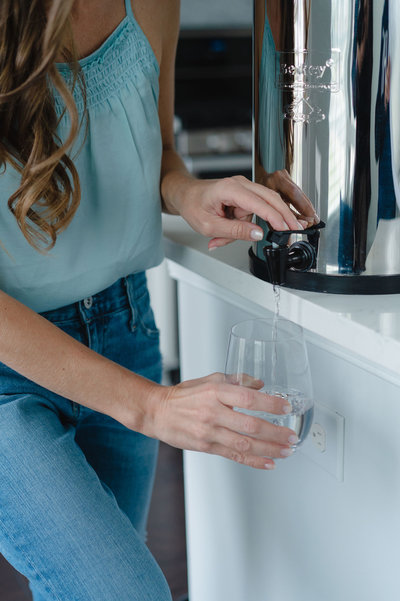
Creatine pulls water into your muscle tissue, so it increases your hydration needs. The general recommendation is an extra 24 ounces of water a day when you are on it. The deeper move is true hydration, the kind that gets water and minerals into your cells, not just through you. Pair your water with mineral-rich, hydrating fruits and vegetables and balanced electrolytes so your sodium-potassium pump works the way it should. If drinking water is already a struggle for you, get that steady first before you add creatine.
When does creatine help women the most?
Creatine is most useful for women over 35 in four seasons: PMS, perimenopause, postpartum, and recovery after exercise. These are the stretches where energy, mood, and resilience take the biggest hit, and where the research and clinical results line up most clearly.
- PMS: for the debilitating fatigue and mood dips that show up in the week or two before your cycle.
- Perimenopause: for the hormonal shifts that drive brain fog, disrupted sleep, next-day fatigue, and changes in body composition.
- Postpartum: for deep nutrient depletion, the demands of breastfeeding, and recovery on broken sleep. This was my own entry point, and it is still one of the seasons I find creatine most supportive, with your provider’s okay.
- Recovery after exercise: for the soreness and slow bounce-back that leave you feeling wiped for days.

What is the best creatine and kidney support for women over 35?
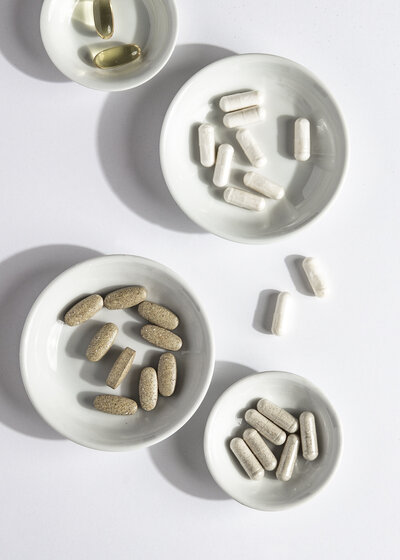
Look for a pure creatine monohydrate that is third-party tested, and pair it with a quality kidney and drainage support. Purity matters most with anything you take daily for years, because small amounts of contaminants compound over time. These are the two I personally use and recommend to clients.
For creatine, I use Thorne or Designs for Health Creatine from Fullscript. It is five grams of pure creatine monohydrate per scoop, micronized so it dissolves easily, with no fillers, flavors, colors, or proprietary blends. Every batch is NSF Certified for Sport, screened for 290 banned substances, verified to match the label, and run through several rounds of in-house testing.
For kidney support, I use Kidney Care by Quicksilver Scientific, also available on my Fullscript. It is a liposomal liquid, so the botanicals start absorbing under your tongue before they reach your stomach, which makes it more bioavailable than a capsule. You hold one teaspoon under your tongue for about 60 to 90 seconds, about 10 minutes before you eat.
Kidney Care formula includes astragalus, dandelion leaf, and goldenrod, and it is tested gluten-free, allergen-free, non-GMO, and soy-protein-free. The founder has a deep background in heavy-metal toxicology, which matters for anything meant to support the organ that filters your blood.
Both are available to search through my Fullscript dispensary, linked here. If you purchase through my link, I may earn a small commission at no extra cost to you, and I only recommend what I use with my clients and on myself.
A quick and important note: this is educational, not medical advice. I am a Registered Dietitian Nutritionist and Functional Medicine Practitioner, not your personal doctor. Talk with your own provider before starting any new supplement, especially if you are pregnant, nursing, on medication, or managing a health condition.
Key takeaways
- Creatine refuels ATP, your cellular energy, which is why it supports far more than muscle for women over 35, including brain clarity, mood, hormones, and stamina.
- Three shifts after 35 make creatine more valuable: declining creatine stores, estrogen-related changes in brain energy, and accelerating muscle loss.
- Research in women supports creatine for strength, body composition, mood, and cognitive function, including recovery from sleep deprivation.
- Bloating and puffiness on creatine usually signal sluggish kidneys and drainage, not a problem with the creatine itself.
- The smarter way to use it: prep your mitochondria, support your kidneys and drainage, cycle it wisely, and hydrate well.
- Choose a third-party tested creatine monohydrate, and pair it with kidney and drainage support, especially after 35.

Frequently asked questions
Does creatine help with brain fog and energy, or just muscle?
Both. Creatine is stored in your brain as well as your muscles, and it helps regenerate ATP, your cellular energy. For women over 35, it can support mental clarity and steady energy, especially during estrogen shifts and seasons of poor sleep, on top of protecting muscle.
Does creatine cause bloating or weight gain in women?
Creatine can cause temporary puffiness or water retention when your kidneys and drainage pathways are sluggish. It is fluid shift, not fat gain. Supporting your kidneys, moving your body daily, and hydrating well usually resolves it so you feel the benefits without the bloat.
How much creatine should a woman over 35 take?
Most research uses around five grams of creatine monohydrate per day. Pair each dose with at least 24 extra ounces of water, and support your kidneys and drainage at the same time. Always confirm with your own provider, especially if you are on medication or managing a health condition.
How long does creatine take to work?
It varies. If your mitochondria are well supported, you can notice benefits within weeks. If you are depleted from chronic stress, low magnesium or B vitamins, or a high toxin burden, it can take up to six months, which is why prepping your mitochondria first makes such a difference.
Can you take creatine while breastfeeding or postpartum?
Many women use creatine postpartum to support energy and recovery during a depleting, sleep-deprived season, and it is one of the times I find it most helpful. Because you are breastfeeding, clear it with your own provider first so it fits your individual situation.
Should women cycle creatine?
A common approach is to take it consistently for a full 12 months to load, then move to six months on and three months off, or five days on and two days off. Cycling lets you check your baseline energy and clarity so you can tell what your body is doing on its own.
Ready to find out what your body actually needs?
Creatine is powerful, but it works best when it fits your unique picture, not a generic protocol. The women who get the most out of it also know what their labs are saying about their mitochondria, minerals, gut, and drainage. That is the exact work I do with clients inside my functional medicine practice, using comprehensive labs to build a personalized, root-cause plan instead of guessing.

If you are ready for that kind of support, you can learn more and apply to work with my team and me here. You were made for a life with energy to pursue your calling, and your body can get there with the right support, in the right order!
READ THE LATEST BLOG POSTS:
- What the Timing of Your Bloating Reveals About Your Gut Function
- Creatine for Women Over 35: The Smarter Way to Use It
- Pumpkin Protein Bars for All Day Energy
- IBS or Autoimmune Disease? How Functional Medicine Can Help You Find Clarity
- GLP-1 Side Effects for Women: What No One Tells You About Your Gut
Leave a Reply
The 5 Best Natural Sweeteners for Gut Health

Top Protein Powders for Gut Health & Autoimmunity

Functional Medicine Lab Tests to Check Annually

food as medicine
gut health
women's Health

"When it comes to balancing our body, healing the gut, reversing autoimmunity, and achieving optimal health—we are a lot like a car that won’t run right. In order to fix the problem once and for all instead of relying on jumper cables, we must get underneath the hood, run the diagnostics, and replace the battery so that it runs good as new."
-Nikki Yelton, RD
If you are ready to stop wasting precious time, get off the never-ending hamster wheel, and finally surrender trying to figure things out on your own—this is your moment.
You don’t have to settle for just getting by and hoping tomorrow is a better day. We both know you are a woman who deserves better and are made for so. much. more.

Ready to restore your energy, reclaim your health, and live your extraordinary life?















Learn the 5 shifts I use to help purpose-driven women finally restore their gut health, energy, and vitality – even if they’ve tried everything!
reduce gut issues and fatigue by 50-100% in less than 6 months!
