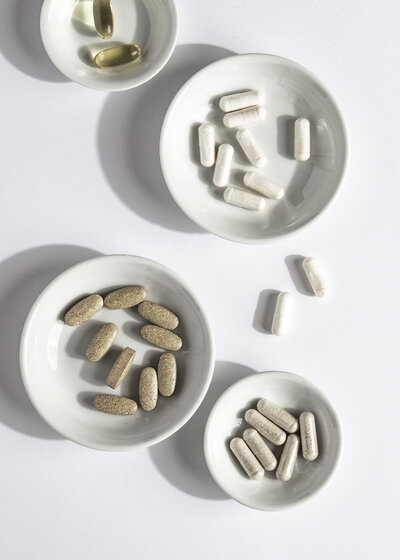




These are the top 9 supplements I will often recommend to improve cellular energy with the strongest evidence for mitochondrial support. Combined with lifestyle strategies, these tools can meaningfully shift how your cells produce and manage energy.

Reading Time: 16 minutes
Did you know that 1 in 3 adults over 50 reports significant fatigue, and women are 2 to 4 times more likely than men to develop chronic fatigue conditions? If you’ve been told your labs are “normal” but you still feel wiped out by 2pm, the answer may not be in your thyroid panel or your iron levels. It may be in your mitochondria.
And you’re not alone! The global CoQ10 and NAD+ supplement markets together exceed $4 billion. The rise of these supplements is a clear sign that millions of people are searching for cellular energy support. However, here’s what the supplement industry won’t tell you: taking mitochondria supplements without understanding your body’s unique needs, without testing, and without addressing them in the right order is just another form of trial and error.
As a Functional Medicine Practitioner and Registered Dietitian Nutritionist, I’ve seen firsthand how mitochondrial health sits at the foundation of everything, including your energy, your gut, your immune system, and your ability to show up for the people and the purpose that matter most. Mitochondria are where healing starts and when they’re not producing enough energy, everything else struggles too.
That’s why I’m breaking down what mitochondria actually do, what it looks like when they’re not functioning well, how mitochondrial health connects to gut issues and autoimmunity, and the 9 evidence-based supplements I recommend most often in my practice. I’m also sharing the lifestyle habits that make the biggest difference and how all of this connects to the way I work with my 1:1 coaching clients through The Abounding 5™ Method.

WHAT ARE MITOCHONDRIA?
Mitochondria are often called the “powerhouses of the cell”, and for good reason. These tiny organelles exist inside nearly every cell in your body, numbering anywhere from a few hundred to several thousand per cell depending on the tissue’s energy demands. Your heart, brain, liver, and gut lining contain some of the highest concentrations because they require the most energy.
Their primary role is producing adenosine triphosphate (ATP), the chemical energy currency that fuels everything from muscle contraction to brain function to immune cell activation. Your body produces and recycles roughly its own body weight in ATP every single day (that’s how central this molecule is to surviva)l.
ATP synthesis happens through three main stages: glycolysis (which begins in the cytoplasm and feeds into the mitochondria), the Krebs cycle (also called the citric acid cycle, where nutrients are broken down into electron carriers), and oxidative phosphorylation via the electron transport chain (where the bulk of ATP is actually generated). Mitochondria are key players in every step, and the electron transport chain alone accounts for approximately 90% of your body’s total ATP output.
Energy production is only part of their job, though. Mitochondria also regulate metabolism, manage calcium signaling, control apoptosis (programmed cell death), produce heat through thermogenesis, and support detoxification processes. They contain their own DNA called mitochondrial DNA (mtDNA), which is inherited exclusively from your mother and encodes 37 genes essential for mitochondrial function. This separate genome also makes mitochondria uniquely vulnerable to oxidative damage, because mtDNA lacks the protective proteins (histones) that shield nuclear DNA.
Interestingly, research estimates that 1 in 200 healthy individuals carries a pathogenic mtDNA mutation, often without even knowing it. These mutations can remain silent for years until additional stressors (toxin exposure, chronic inflammation, nutrient depletion) tip the balance toward dysfunction.
This is why understanding mitochondrial health isn’t optional. It’s foundational. And it’s the reason Phase 1 of The Abounding 5™ Method — Cellular Energy Activation — starts here, before we ever address the gut.

WHAT DOES HEALTHY MITOCHONDRIAL FUNCTION LOOK LIKE?
When your mitochondria are firing on all cylinders, you know it. The signs of strong mitochondrial function include:
- Lower oxidative stress — Your cells can manage free radicals without accumulating damage
- A well-functioning metabolism — Efficient fat burning, stable blood sugar, and healthy body composition
- Sustained energy levels — Consistent energy from morning to evening without crashes
- Less body fat and more lean muscle — Mitochondria are dense in skeletal muscle tissue and drive fat oxidation
- Slower aging — Mitochondrial efficiency is one of the strongest predictors of biological age
- A stronger immune system — ATP directly powers immune cell activation and proliferation
These markers show up in how you feel when you wake up, how you move through your afternoon, and how much stamina you have for your family, your work, and your calling.

HOW TO KNOW IF YOU HAVE MITOCHONDRIAL DYSFUNCTION
On the other hand, mitochondrial dysfunction looks and feels completely different. When mitochondria aren’t producing adequate energy or managing oxidative stress, symptoms can include:
- Chronic fatigue — Not just tiredness, but a bone-deep exhaustion that sleep doesn’t resolve
- Frequent headaches and migraines
- Depression and mood instability
- Brain fog and cognitive decline — including neurodegeneration linked to conditions like Alzheimer’s disease and Parkinson’s disease
- Metabolic syndrome — Insulin resistance, weight gain, and elevated inflammatory markers
- Cardiovascular dysfunction
- Centralized pain and muscle weakness
Research shows that approximately 3.3 million Americans live with chronic fatigue syndrome (ME/CFS), and an estimated 90% of cases go undiagnosed. Women are disproportionately affected, with prevalence peaking between ages 40 and 69. These numbers matter because mitochondrial dysfunction is increasingly recognized as a driver behind these statistics.
ROOT CAUSES OF MITOCHONDRIAL IMPAIRMENT
When I work with clients experiencing mitochondrial dysfunction, I’m looking at what’s driving it at the root. The most common causes include:
Oxidative Stress
When there’s an imbalance between reactive oxygen species (ROS) and your body’s ability to neutralize them, free radicals damage mitochondrial membranes and mtDNA. This creates a cycle: damaged mitochondria produce more ROS, which causes more damage.
The Aging Process
Mitochondrial function naturally declines with age.Research confirms this is one reason energy, cognition, and recovery slow down over time. It’s also why proactive mitochondrial support becomes more important in your 30s, 40s, and beyond.
Toxin Exposure
Environmental toxins including air pollution, mold, herbicides, pesticides, and heavy metals directly impair mitochondrial function and compound oxidative stress. Only about 5% of neurodegenerative conditions are purely genetic. Environmental mitochondrial toxicity is a significant modifiable factor.
Micronutrient Deficiencies
Mitochondria require specific nutrients to do their jobs. Deficiencies in B vitamins, vitamin C, vitamin D, iron, copper, magnesium, zinc, and CoQ10 all directly impact mitochondrial performance. This is why Phase 1 of The Abounding 5™ Method addresses cellular nutrition before anything else.
Testing for Mitochondrial Function
Functional medicine testing gives us a window into how well your mitochondria are actually performing. Key testing options include:
- Organic Acids Test (OAT): Measures Krebs cycle intermediates (citric acid, succinic acid, fumaric acid, malic acid), carbohydrate metabolism markers, and fatty acid oxidation markers. Elevated levels of these organic acids can indicate inefficient mitochondrial energy production, CoQ10 insufficiency, or carnitine deficiency.
- NutrEval® by Genova Diagnostics: One of the most comprehensive functional nutritional panels available, covering 125+ biomarkers across 40+ nutrients. It includes a dedicated “Mitochondrial Dysfunction” score, serum CoQ10 levels, glutathione status, and oxidative stress markers.
- Vibrant America Micronutrient Panel: Measures intracellular nutrient levels, including CoQ10, B vitamins, and minerals essential for mitochondrial function. This is one of the available foundational labs I run in Phase 2 (Lab-Guided Precision) of The Abounding 5™ Method.
Testing takes the guesswork out. It’s the difference between throwing supplements at a problem and building a targeted, personalized plan which is exactly how I approach every client.

THE CONNECTION BETWEEN MITOCHONDRIA, LEAKY GUT, AND AUTOIMMUNITY
This is where most practitioners miss the connection and where my Abounding 5™ Method stands apart.
Leaky Gut and Mitochondria
Your intestinal lining is one of the most energy-demanding tissues in your body because of how rapidly those cells turn over. When mitochondria in the gut lining fail, tight junctions break down.
A 2024 study found that reduced mitochondrial membrane stability in ulcerative colitis patients caused deformed mitochondria, diminished aerobic respiration, and loss of barrier integrity. A separate 2025 study showed that deficiency of mitochondrial creatine kinase in colon tissues of UC patients led to impaired mitochondrial homeostasis, barrier dysfunction, and increased cell death from excess ROS (reactive oxygen species).
ATP plays a direct role in strengthening the gut lining, while unregulated ROS contributes to gut barrier damage. What makes this especially important is that leaky gut triggers systemic inflammation, which further damages mitochondria, which further weakens the gut barrier. I see this cycle play out often in practice!
This is why my Abounding 5™ Method starts with Cellular Energy Activation (Phase 1) and opens drainage pathways (Phase 3) before we begin gut restoration (Phase 5). If your cells don’t have the energy to heal, no gut protocol will produce lasting results.
Autoimmune Diseases and Mitochondria
Mitochondrial function is directly tied to immune regulation. ATP from mitochondria provides the energy required for immune cell activation, proliferation, and differentiation. When mitochondria are damaged, mitochondrial DNA (mtDNA) can leak from cells and activate immune pathways that trigger autoimmunity.
A 2025 clinical study confirmed that Hashimoto’s thyroiditis is associated with mitochondrial dysfunction, decreased micronutrient availability, microbiome imbalances, and disrupted carbohydrate and fatty acid metabolism.
Mitochondrial dysfunction is closely connected to Multiple Sclerosis, Type 1 Diabetes, and rheumatoid arthritis. Across all of these conditions, the pattern is remarkably similar.
For women living with autoimmune conditions like Hashimoto’s, this research reinforces why addressing mitochondrial health is not a luxury, it’s a critical piece of the healing process! It’s also why protocols that jump straight to immune modulation without first restoring cellular energy often fall short.
The Microbiome-Mitochondria Axis
The relationship between your gut microbiome and your mitochondria is bidirectional and it’s one of the most important connections in functional medicine.
From gut to mitochondria: Your gut bacteria produce short-chain fatty acids (especially butyrate) that directly stimulate mitochondrial biogenesis, which is the creation of new mitochondria. Depleting the microbiome with antibiotics inhibits mitochondrial synthesis.
From mitochondria to gut: When mitochondrial dysfunction impairs barrier function, bacterial imblaances and inflammation further alter the microbiome, reducing beneficial short-chain fatty acid producing species and perpetuating the cycle.
This is the science behind why Phase 5 of my Abounding 5™ Method (Resilient Gut Restoration) produces lasting results. By that point, your cells have the energy to heal and your drainage pathways are open.

BEST SUPPLEMENTS FOR MITOCHONDRIAL SUPPORT
Supporting mitochondrial function and boosting energy levels through supplementation can be an effective approach. However, I cannot emphasize this enough — supplements without strategy is just another form of guessing. Always work with your healthcare provider. Functional testing helps you understand which supplements are right for your body, at what dose, and in what order.
In my practice, these are the top 9 supplements I will often recommend to improve cellular energy with the strongest evidence for mitochondrial support:
CoQ10 (Coenzyme Q10)
CoQ10 is an essential electron carrier in the mitochondrial electron transport chain It plays a primary role in energy production, antioxidant protection, and oxidative stress regulation.
The evidence: A 12-week randomized controlled trial found that 200 mg CoQ10 plus NADH daily significantly reduced cognitive fatigue and improved quality of life. A meta-analysis confirmed oral CoQ10 significantly reduces oxidative stress markers and muscle damage markers.
Ubiquinone vs. ubiquinol: While ubiquinol (the active, reduced form) shows slightly higher bioavailability than ubiquinone, research suggests that regardless of which form you consume, CoQ10 appears in plasma predominantly as ubiquinol. That said, for those with mitochondrial dysfunction, ubiquinol may be the better starting point since it requires less conversion. In addition, we lack the ability to naturally convert ubiquinone into ubiquinol as we age.
Typical dose: 100–200 mg/day.
Brand recommendation: Designs For Health CoQnol
2. PQQ (Pyrroloquinoline Quinone)
While CoQ10 optimizes existing mitochondria, PQQ drives the creation of new ones. PQQ activates the master pathway for mitochondrial biogenesis.
The evidence: A 12-week study on healthy adults ages 40–80 found that 21.5 mg/day PQQ significantly improved composite memory, verbal memory, reaction time, cognitive flexibility, executive function, and motor speed versus placebo with no adverse events.
PQQ + CoQ10 synergy: Evidence shows co-administration enhances cognitive effects beyond either alone. PQQ builds new mitochondria, and CoQ10 ensures they function optimally. This is a pairing I frequently recommend.
Typical dose: 20 mg/day.
Brand recommendation: Designs For Health Mito-PQQ
3. NAD+ Precursors (NMN and Nicotinamide Riboside)
NAD+ is arguably the most fundamental coenzyme in mitochondrial energy production. It serves as an electron carrier in the electron transport chain and is a substrate for what’s known as the “longevity enzyme” and DNA repair enzymes. NAD+ levels decline an estimated 40–60% with aging, making supplementation increasingly relevant.
The evidence: A 2022 study showed that 1,000 mg/day NR for 30 days increased cerebral NAD+ levels, upregulated mitochondrial gene expression, and decreased inflammatory cytokines in Parkinson’s disease patients. A 2026 systematic review of 113 studies confirms both NR and NMN consistently demonstrate biochemical target engagement and are well-tolerated.
Typical dose: NMN 250–500 mg/day; NR 300–1,000 mg/day.
Brand recommendation: Quicksilver Scientific NAD+ Platinum
4. Urolithin A
Urolithin A is a first-in-class mitophagy activator. This means it triggers your body to selectively remove and replace damaged mitochondria. This is different from biogenesis (making new mitochondria). Mitophagy is more about quality control and clearing out the dysfunctional ones so they stop producing excess ROS.
What makes this particularly relevant is that approximately 40% of the population are “low or non-producers” of urolithin A from dietary sources like pomegranates and berries, meaning their gut microbiome doesn’t efficiently convert the precursors.
The evidence: A study demonstrated approximately 12% improvement in muscle strength, improved aerobic capacity, significantly lower CRP (inflammation), and increased mitophagy markers in muscle biopsies. Another study showed that 1,000 mg/day for 4 weeks expanded naive-like immune T cells, increased mitochondrial biogenesis in immune cells, and modulated inflammatory pathways demonstrating urolithin A counters immune aging.
Typical dose: 500–1,000 mg/day.
Brand recommendation: Cellular Longevity PRO, Mitopure (Urolithin A)
5. Resveratrol
Resveratrol, also known as japanese knotweed, is a natural polyphenol and antioxidant found in red grapes, berries, and peanuts. Through supplementation, resveratrol drives mitochondrial biogenesis and promotes mitophagy, preserves mitochondrial membrane potential, and balances mitochondrial fusion to enhance energy. It also supports blood sugar regulation and insulin resistance to improve energy throughout the day.
The evidence: A study on adults with type 2 diabetes showed that 1,000 mg/day resveratrol for 6 months significantly increased total antioxidant capacity versus placebo. In addition, a reduction in overall inflammation and oxidative stress markers were observed.
Typical dose: 500–1,000 mg/day.
Brand recommendation: Apex Energetics Resvero™ Active
6. L-Carnitine
L-carnitine is essential for transporting long-chain fatty acids across the inner mitochondrial membrane for beta-oxidation which is the process of converting fat into ATP. Without adequate carnitine, your mitochondria can’t efficiently use fat for fuel.
The evidence: A systematic review found that supplementation of 2–2.72 g/day for 9–24 weeks improved high-intensity exercise performance, peak power, and reduced perceived exertion. Additionally, 24 weeks of supplementation significantly improved muscle mass, physical effort tolerance, and cognitive function.
Important note: The acetyl-L-carnitine (ALCAR) form is preferred for cognitive and neurological applications, as it crosses the blood-brain barrier more effectively.
Typical dose: 1–3 g/day.
Brand recommendation: Designs for Health Acetyl L-Carinitine
7. Alpha Lipoic Acid (ALA)
Alpha lipoic acid serves as a cofactor for mitochondrial enzymes and is unique in its role as a “universal antioxidant.” It regenerates other antioxidants including vitamin E, vitamin C, CoQ10, and glutathione through the Nrf2 pathway which supports healthy inflammation.
The evidence: Research shows ALA significantly increases ATP levels in cells, enhances mitochondrial membrane potential, and reduces ROS. Additionally, a massive meta-analysis with over 883,000 participants found moderate to high-quality evidence that ALA supplementation reduces cardiovascular risk factors.
R-lipoic acid vs. racemic: The R-lipoic is the naturally occurring, biologically active form. When available, choose the R-lipoic acid when supplementing.
Typical dose: 300–600 mg/day (up to 1,800 mg in clinical studies).
Brand recommendation: Vital Nutrients R-Lipoic Acid
8. Sodium Butyrate
Sodium butyrate is a supplemental form of butyrate, a short-chain fatty acid naturally produced by your gut bacteria when they ferment dietary fiber. What makes butyrate unique in the context of mitochondrial support is that it directly fuels the cells that line your colon (colonocytes). These cells rely on butyrate as their primary energy source.
This is where the gut-mitochondria connection becomes practical. Butyrate doesn’t just feed gut cells, it strengthens the intestinal barrier by upregulating tight junction proteins and reduces NF-κB-driven inflammation.
Approximately 40% of Americans consume less than half the recommended daily fiber. This means their gut bacteria aren’t producing enough butyrate on their own. If you’ve been on antibiotics, eat a low-fiber diet, or have a depleted microbiome, direct supplementation bypasses the need for bacterial production and delivers butyrate where it’s needed most.
The evidence: A 2023 study on human endothelial cells found that sodium butyrate significantly increased mitochondrial mass and promoted mitochondrial biogenesis while strengthening barrier integrity.
Typical dose: 300–600 mg/day, taken with meals.
Brand recommendation: BodyBio Sodium Butyrate
9. Trace Mineral Drops (Bonus)
This bonus one isn’t a single compound but is more an entire category that gets overlooked when people think about mitochondrial support. Your mitochondria can’t produce ATP without minerals! They are the spark plugs for your energy, metabolism, gut healing, and hormones!
For example, without adequate magnesium, your mitochondria cannot deliver the energy they produce. Research confirms that deficiencies in magnesium lead to increased oxidative stress, accelerated cellular aging, and mitochondrial dysfunction. Zinc supports over 300 enzymatic reactions, copper powers a critical enzyme in the electron transport chain, selenium is required for glutathione peroxidase (a key mitochondrial antioxidant enzyme), and manganese activates your mitochondria’s primary internal antioxidant defense.
Unfortunately soil depletion from industrial farming, water filtration that strips minerals alongside contaminants, and processed food diets have created widespread trace mineral insufficiency, even in women who are eating “clean.” You can take CoQ10, NAD+ precursors, and every supplement on this list, but if your minerals are depleted, your mitochondria still won’t have what they need to run those pathways efficiently.
This is why I recommend BodyBio ReMineralize which is a concentrated ionic mineral formula delivering 72+ naturally occurring macro and trace minerals sourced from Utah’s inland sea. The ionic form ensures rapid cellular absorption, and it’s simple to use.
Typical use: Start with 10 drops daily in water, gradually increasing to 40 drops (½ tsp).
Brand recommendation: BodyBio ReMineralize
These 9 supplements each target a different aspect of mitochondrial health — from energy production (CoQ10, NAD+) to biogenesis (PQQ, resveratrol) to quality control (urolithin A) to fuel transport (L-carnitine) to antioxidant defense (ALA). But the key word is “targeted.”
This is the difference between a supplement stack and a strategic, sequenced plan. And it’s exactly why Phase 2 of my Abounding 5™ Method (Lab-Guided Precision) uses functional testing to identify what your body specifically needs so every supplement serves a purpose and is best for your unique needs.

LIFESTYLE FACTORS TO MAXIMIZE SUPPLEMENT BENEFITS
Supplements work best when they’re layered on top of lifestyle habits that actively support mitochondrial health. These practices don’t just “complement” supplementation, they activate the same biological pathways. If you’re ready to support your mitochondria from every angle, start here:
Whole, nutrient-dense foods
Your mitochondria need fuel. A diet rich in leafy greens, healthy fats, quality protein, and antioxidant-rich produce provides the raw materials for ATP production. Sulfur-rich cruciferous vegetables (broccoli, Brussels sprouts, cauliflower) are particularly important because they support Phase II liver detoxification. This is the pathway that neutralizes toxins that would otherwise damage mitochondria. My cellular energy boosting meal plan is a great diet to follow to support mitochondrial health.

Prioritize nutrient absorption
You can eat the most nutrient-dense diet in the world, but if your gut isn’t absorbing those nutrients, your mitochondria aren’t receiving them. Low stomach acid, bile insufficiency, and enzyme deficiencies all contribute to poor absorption, even when the diet looks “perfect” on paper. Addressing gut dysfunction is a prerequisite for effective supplementation.
Movement (especially intervals)
You don’t need to crush yourself in the gym to support your mitochondria. Research consistently shows that moderate-intensity aerobic exercise, including walking, activates the same PGC-1α master pathway responsible for building new mitochondria. Studies on sedentary adults who began a regular walking program showed significant increases in muscle mitochondrial content in as little as six weeks. Walking at a brisk, conversational pace is one of the most accessible and sustainable forms of exercise for mitochondrial density and endurance. It’s something you can do every single day without burning out your body in the process!
Walking to support mitochondrial health can look like a 30–45 minute walk most days of the week, adding hills or inclines when you’re ready to increase the demand, or simply getting outside and moving at a pace where you could hold a conversation. For women in the thick of healing, especially those dealing with fatigue, autoimmunity, or HPA axis dysfunction, sustainable daily movement will always outperform sporadic high-intensity sessions that leave you depleted.
If you have Hashimoto’s or autoimmunity in particlular, I recommend this workout plan here.
Sleep
A 2025 study discovered that sleep deprivation causes mitochondrial fragmentation in the brain. Poor sleep doesn’t just make you tired the next day. It structurally damages the organs responsible for producing your energy. Aim for 7–9 hours of quality sleep per night, and address any sleep-disrupting factors (blood sugar imbalances, cortisol dysregulation, blue light exposure) as part of your mitochondrial strategy.
Reduce environmental toxin exposure
Pesticides, heavy metals, mold, and air pollution directly damage mitochondria and compound oxidative stress. Research shows that only about 5% of neurodegenerative conditions are purely genetic which points to environmental mitochondrial toxicity as a major modifiable risk factor. Practical steps include filtering your water, choosing organic produce when possible, avoiding plastics for food storage, and addressing any known mold exposure. For a list of my favorite non-toxic household items, visit this resource here.
Time-restricted eating
Both intermittent fasting and time-restricted eating drives mitochondrial biogenesis and mitophagy (the clearing of damaged mitochondria). A 2020 study found that intermittent fasting restructured gut microbiota and improved metabolites that enhanced mitochondrial gene expression. Tese effects were diminished when the microbiota was depleted with antibiotics, confirming the gut-mitochondria connection. As always, time restricted eating should be personalized to support hormones.

There are many lifestyle factors that can either inhibit or actively support your mitochondria. By adopting these habits alongside targeted supplementation, you’re giving your cells the best possible environment to produce the energy you need.
WRAPPING IT ALL UP
Mitochondria aren’t just the “powerhouses of the cell,” they’re the foundation of your energy, your gut health, your immune function, and your ability to show up fully for the life you’ve been called to live!
When mitochondrial function is compromised, the effects ripple through every system. It can show up as fatigue that sleep doesn’t help, gut issues that don’t respond to protocols, immune dysfunction and autoimmunity that keeps flaring, brain fog that steals your sharpness, and a persistent feeling of being “off” that no one can explain. When you add autoimmune conditions like Hashimoto’s into the picture, the stakes are even higher because your immune system literally depends on the ATP your mitochondria produce.
The 9 supplements covered in this post represent the strongest clinical evidence available for supporting mitochondrial function. Each one targets a different mechanism, from building new mitochondria to clearing out damaged ones to protecting the ones you have. Combined with lifestyle strategies like movement, quality sleep, toxin reduction, and nutrient-dense eating, these tools can meaningfully shift how your cells produce and manage energy.
However, supplements and lifestyle changes alone aren’t enough if you don’t know what your body specifically needs. Testing is what can transforms this from general advice into a personalized strategy.
This is exactly why my Abounding 5™ Method begins with Cellular Energy Activation. It’s the step that most programs skip and the reason so many women have felt worse before they felt better on other protocols. When your cells have the energy to heal, everything changes!
If you’re ready to stop guessing and start with a personalized, lab-driven plan that addresses your health in the right order, my Personalized Coaching Program is designed to do exactly that. No more trial and error. Just a custom plan built for you!
The information in this post is for educational purposes only and is not intended to diagnose, treat, cure, or prevent any disease. Supplements can interact with medications, affect lab values, and may not be appropriate for every individual — especially during pregnancy, nursing, or while managing a chronic health condition. Always consult with your healthcare provider before starting any new supplement. The best outcomes come from working with a qualified practitioner who can evaluate your unique needs, review your labs, and build a plan that’s right for your body.

READ THE LATEST POSTS:
- Creatine for Women Over 35: The Smarter Way to Use It
- Pumpkin Protein Bars for All Day Energy
- IBS or Autoimmune Disease? How Functional Medicine Can Help You Find Clarity
- GLP-1 Side Effects for Women: What No One Tells You About Your Gut
- One Pan Chicken with Fennel, Sweet Potato & Olives + Benefits of Dark Meat
Leave a Reply
The 5 Best Natural Sweeteners for Gut Health

Top Protein Powders for Gut Health & Autoimmunity

Functional Medicine Lab Tests to Check Annually

food as medicine
gut health
women's Health

"When it comes to balancing our body, healing the gut, reversing autoimmunity, and achieving optimal health—we are a lot like a car that won’t run right. In order to fix the problem once and for all instead of relying on jumper cables, we must get underneath the hood, run the diagnostics, and replace the battery so that it runs good as new."
-Nikki Yelton, RD
If you are ready to stop wasting precious time, get off the never-ending hamster wheel, and finally surrender trying to figure things out on your own—this is your moment.
You don’t have to settle for just getting by and hoping tomorrow is a better day. We both know you are a woman who deserves better and are made for so. much. more.

Ready to restore your energy, reclaim your health, and live your extraordinary life?