





This post may contain affiliate links of some products I personally love & recommend. Let’s dive in!
Hot flashes are usually a sign of shifting hormones, not just aging. Certain foods support estrogen balance, steady blood sugar, calm inflammation, and feed the gut bacteria that help your body clear used hormones. In one randomized trial, women who ate specific foods had 79% fewer hot flashes in 12 weeks. This guide walks through the 9 foods that fight hot flashes, what the research actually shows, and how to eat them.

Reading Time: 13 minutes
If hot flashes are hitting you like a ton of bricks, there is likely a hormonal imbalance at play. And you are not alone. Research shows hot flashes and night sweats affect somewhere between 50% and 85% of women over 45.
However, just because hot flashes are common does not mean you have to live with them! I work with women every day who have been told their symptoms are just part of getting older. As a functional medicine practitioner and Registered Dietitian Nutritionist, I have seen firsthand how food can be one of the most powerful tools we have.
When it comes to hormones, food acts like medicine to bring balance. Our diet can either support or hinder three key roles your body performs every day: sending hormone signals, regulating your metabolism, and clearing out used hormones. The right foods that fight hot flashes can help steady your hormones and calm your symptoms in a real, measurable way.
Let’s walk through what is happening in your body, and then the 9 foods that fight hot flashes and support healthy hormones for more energy and vitality.
What Are Hormone Imbalances in Women?
Many women blame hot flashes on aging. More often, they are a sign of hormonal shifts.
A hormone imbalance happens when your hormone levels climb too high, drop too low, or swing up and down like a rollercoaster. These swings are common during big hormonal seasons, like perimenopause and menopause. But you can have a hormone imbalance at any age. And it can affect your whole body, from your brain to your gut to your skin.
Common Symptoms of Hormone Imbalance
Hormone imbalance can show up as:
- Hot flashes and night sweats
- Irregular or missing periods
- Trouble getting pregnant
- Weight gain
- Mood changes or anxiety
- Vaginal dryness
- Changes in sex drive
- Acne or skin changes
This list covers the most common signs, but it is not everything.
Conditions Linked to Hormone Imbalance
Several health conditions are closely tied to ongoing hormone imbalance:
- Menopause: Estrogen drops and periods stop for good, usually between the ages 45 and 55.
- Perimenopause: The years leading up to menopause when hormones start to shift, often between 35 and 45.
- Polycystic Ovarian Syndrome (PCOS): A metabolic condition that affects the ovaries and reproductive health.
- Severe PMS: Intense cramping, heavy bleeding, moodiness, bloating, and fatigue before your period.
- Thyroid dysfunction: Includes hypothyroidism, hyperthyroidism, Graves’ Disease, and Hashimoto’s.
Hormones touch nearly every function in your body. So when they fall out of balance, you tend to feel it everywhere.
Key Hormones That Influence Hot Flashes and Hormone Symptoms
To understand hot flashes, it helps to know the main players:
Estrogen
Estrogen supports reproductive health, temperature control, mood, and bone strength. It peaks right before ovulation and drops before your period starts. When estrogen swings up and down, it can trigger hot flashes and night sweats.
Progesterone
Progesterone balances estrogen, supports deep sleep, and helps you feel calm. It peaks after ovulation and falls when your period begins. Low progesterone can bring more anxiety, poor sleep, and irregular cycles.
Testosterone
While testosterone is known for its influence in the male body, it is equally important in the female body. Testosterone supports healthy energy levels, improves muscle strength, and boosts libido. Imbalances in testosterone can negatively affect mood and body composition, leading to anxiety, depression, and unwanted weight gain.
Thyroid Hormones (T3, T4, TSH)
Your thyroid controls your metabolism, energy production, and body temperature. Thyroid imbalances can deepen fatigue and drive weight changes.
Cortisol
Cortisol is your main stress hormone. When it stays high for too long, it disrupts your sex hormones, unsettles your blood sugar, and raises inflammation. This matters more than most women realize. A study even confirmed anxiety was one of the strongest factors linked to how severe a woman’s hot flashes were, alongside where she was in the menopause transition.
Insulin
Insulin moves sugar out of your blood and into your cells. When insulin runs high, or your cells stop responding well, blood sugar swings follow. This is one of the most common underlying root causes of hormone shift I see in practice.
Melatonin
Melatonin runs your sleep and your body clock. It becomes a hard cycle. Hormone imbalance disrupts sleep, and poor sleep worsens hormone imbalance and hot flashes.
Why Hot Flashes Happen
Hot flashes are a downstream symptom of hormonal change.
When estrogen fluctuates during perimenopause and menopause, it affects the temperature control center in your brain called the hypothalamus. Think of it as your body’s thermostat.
The leading explanation is that estrogen swings narrow what researchers call your thermoneutral zone. That is the comfortable temperature range your body can sit in without doing anything about it. When that zone narrows, a tiny rise in body heat that never used to bother you now sets off the alarm.
Your brain thinks you are overheating, and your blood vessels begin to dilate. From there, you begin to flush and sweat. Then your body may overcorrect, which is why chills often follow.
Your thermostat becomes extra sensitive due to hormonal changes. The good news is that several things we eat and do can make that sensitivity better or worse.
The Blood Sugar and Hot Flash Connection
This is one of the most overlooked pieces and one of the most fixable.
Blood sugar swings do not just drain your energy. They appear to be linked to hot flashes themselves. In the Study of Women’s Health Across the Nation (SWAN), researchers followed more than 3,000 women for 8 years. Women who reported hot flashes had higher insulin resistance than women who did not. Women with hot flashes on 6 or more days in the past two weeks showed the strongest link, and it held even after accounting for body weight and estrogen levels.
Related research also found that women with metabolic syndrome, a cluster that includes high blood sugar and belly fat, reported more severe menopausal symptoms, including more trouble sleeping.
What this means for you is practical. Every time your blood sugar spikes and crashes, your body releases stress hormones to bring it back up. Those stress hormones add fuel to an already sensitive thermostat.
Regulating your blood sugar is one of the first things I do with clients because I see it is foundational for gut health, energy, and hormone balance in women.

Your Gut, Estrogen, and Hot Flashes
Now for the piece almost no one talks about, and the one closest to my heart as a gut-centered functional medicine practitioner.
Your gut helps decide how much estrogen stays in your body.
A specific group of gut bacteria makes an enzyme called beta-glucuronidase. Your liver packages up used estrogen so you can eliminate it. This enzyme can unpack it and send it back into circulation
Researchers call this collection of estrogen-handling gut bacteria the estrobolome.
When your gut is balanced, this system keeps your estrogen where it should be. When your gut is out of balance, estrogen metabolism gets disrupted, which researchers link to estrogen-related conditions, including menopausal symptoms.
So if you have been eating well and still struggling with hot flashes, your gut may be part of the story. This is exactly why I do not hand every woman the same list of foods. I first look at what her gut is actually doing with a GI-MAP stool analysis, so we can assess beta-glucuronidase levels and estrogen clearance.
This is why I always stress that we are not just what we eat. We are what we absorb, assimilate, and eliminate!
How Diet Supports Hormone Balance
A diet built on whole foods supports your hormones in four ways.
- It provides raw materials for hormone production
Whole foods are packed with the vitamins and minerals your body uses to build hormones. Once you digest and absorb them, they go straight to work.
- It supports liver detoxification of excess hormones
Your liver breaks down used hormones so your body can clear them. Whole foods give your liver what it needs to do that job well.
- It stabilizes blood sugar and cortisol
Meals balanced with protein, carbohydrates, and healthy fat keep blood sugar steady. Steady blood sugar means fewer cortisol spikes.
- It reduces inflammation and oxidative stress
Whole foods are rich in antioxidants and polyphenols that calm inflammation. Packaged foods, added sugar, excess caffeine, and alcohol do the opposite.

Core Nutrients for Hormone Balance and Hot Flash Relief
Healthy Fats
Your body needs fat to make estrogen and progesterone. Healthy fats, including omega-3 fatty acids, also support hormone signaling and help you feel full.
Best food sources: avocado, butter or ghee, olive oil, coconut oil, wild-caught fatty fish, raw nuts, chia seeds, and flaxseeds.
Protein
Quality protein supports your appetite hormones, leptin and ghrelin, and regulates blood sugar.
Best food sources: grass-fed and finished beef, wild-caught fish, pasture-raised poultry and eggs, and organic full-fat Greek yogurt.
Fiber and Complex Carbohydrates
Complex carbohydrates digest slowly, so they help steady your blood sugar rather than spiking it. Fiber also feeds your gut bacteria and helps carry used estrogen out of the body.
Best food sources: sweet potatoes, sprouted grains, fruits, and vegetables.
Antioxidants
Antioxidants fight inflammation and oxidative stress, and support liver and hormone health.
Best food sources: organic berries, dark chocolate, leafy greens, cruciferous veggies, green tea, and turmeric.

9 Hormone-Balancing Foods That Help Fight Hot Flashes
These are the 9 foods that fight hot flashes I return to most in my practice.
1. Whole Soy Foods (If Tolerated)
Soy has been a bit controversial in the functional medicine space. I find that this food recommendation should be individualized for the best results. However, soy has some of the strongest research behind hot flash support, so I am listing it first.
Soy contains isoflavones, a type of phytoestrogen. These plant compounds bind to estrogen receptors, which can reduce the effects of estrogen fluctuations.
A large JAMA review of 62 studies found that phytoestrogens, including soy isoflavones, were linked to fewer daily hot flashes. A separate meta-analysis of randomized trials found phytoestrogens reduced hot flash frequency compared with placebo, without serious side effects.
The most striking result came from a 12-week randomized trial. Postmenopausal women who ate plentiful plants in their diet plus a half cup of cooked soybeans daily had a 79% drop in total hot flashes. Moderate-to-severe hot flashes dropped 84%. Nearly 6 in 10 women became free of moderate and severe hot flashes.
Choose whole forms: organic edamame, tofu, tempeh, and soybeans. It is best to limit or avoid processed soy protein isolate.
One note. There’s some gray area in the soy conversation, which is why I prefer to make this a personalized recommendation based on other factors. An earlier review found mixed results specifically for soy isoflavone extracts. Whole soy foods appear to perform better than isolated extracts.
2. Cruciferous Vegetables
Cruciferous vegetables are one of my go-to favorite foods to help your liver process estrogen.
They contain compounds called indole-3-carbinol and DIM. Research shows that these compounds alter how estrogen is broken down and cleared in women (Higdon et al., 2007).
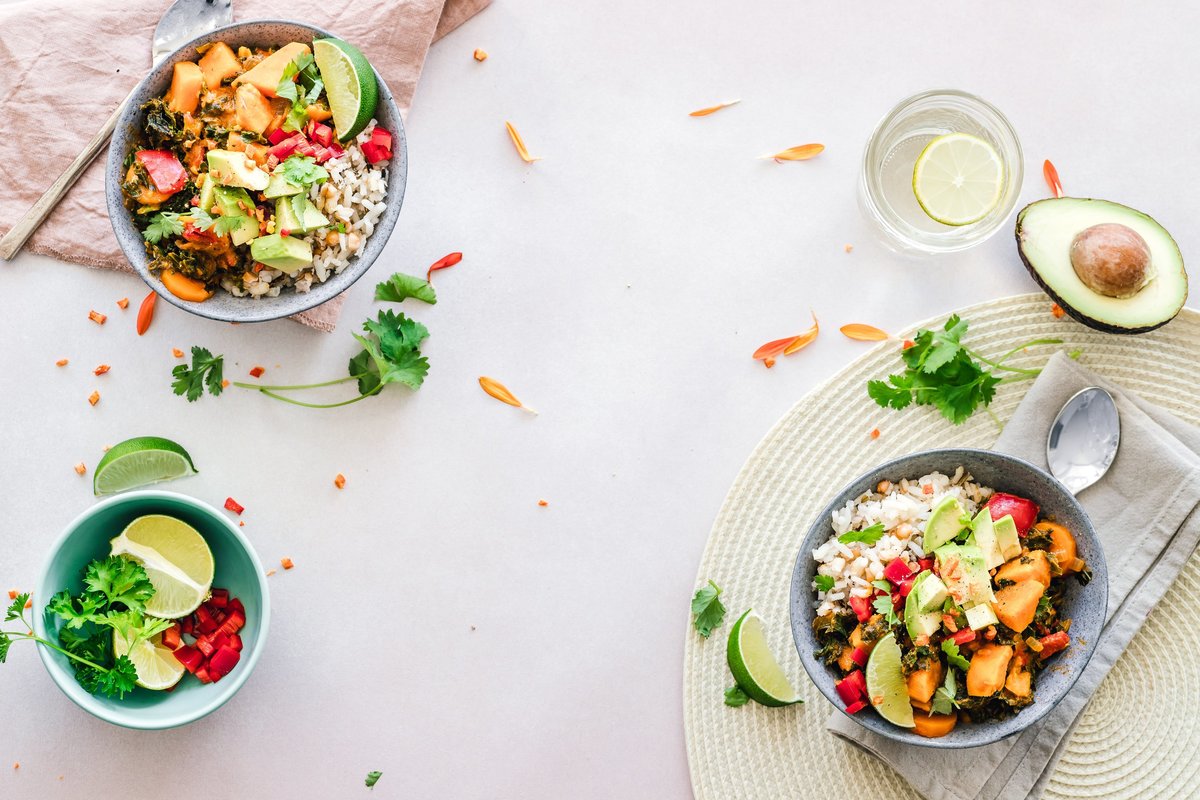
Food sources: broccoli, cauliflower, Brussels sprouts, cabbage, and arugula. I recommend lightly cooking or sautéing them in a stable cooking fat like quality olive oil, grass-fed butter, or ghee.
3. Fatty Fish
Wild-caught fatty fish are rich in omega-3s, vitamin D, and B vitamins. Omega-3 fats are building blocks for your cell membranes and support how your cells send hormone signals (Cholewski et al., 2018).
Sources: salmon, sardines, and mackerel. Aim for two to three servings a week.

4. Flaxseeds
Flaxseeds are rich in lignans, another type of phytoestrogen, plus fiber and omega-3 ALA.
I want to be straight with you here, because I would rather you trust me than oversell a seed. When researchers have tested flaxseed specifically for hot flash relief, the results have been underwhelming. A systematic review found the decreases in hot flash symptoms were not statistically significant (Flower et al., 2013). And a randomized trial found flaxseed bread was no better than placebo for reducing hot flashes (Simbalista et al., 2010).
So why is flaxseed still on my list?
Because the fiber and lignans support estrogen metabolism and gut health, which matters for the bigger hormonal picture. Just do not expect ground flax alone to stop your hot flashes. Aim for 1 to 2 tablespoons of freshly ground flaxseed daily as part of the whole plan, not as a magic bullet.
5. Leafy Greens
Dark leafy greens are loaded with magnesium, calcium, and antioxidants. Magnesium supports your stress response and sleep, both of which shape how intensely you feel hot flashes.
Sources: spinach, kale, and Swiss chard. Sauté them in a stable cooking fat to help absorb the fat-soluble vitamins.
6. Berries
Berries are high in fiber and polyphenols, plant compounds that fight inflammation. They support blood sugar balance because their fiber slows sugar absorption.
Sources: blueberries, strawberries, raspberries, and blackberries. Organic when you can.
7. Avocados
Avocados give you healthy fat, potassium, and vitamin E. The fat supports hormone production, and pairing avocado with a meal helps steady your blood sugar.
8. Gluten-Free Whole Grains
Whole grains are a good source of complex carbohydrates and fiber. For women with hormone imbalances, I recommend sticking to gluten-free options.
They steady blood sugar and energy, and the fiber feeds the gut bacteria that help clear estrogen.
Sources: organic quinoa, rice, and sprouted oats.
9. Turmeric and Cinnamon
These two spices punch above their weight.
Turmeric supports your body’s inflammation response. Cinnamon supports blood sugar balance. Given the strong link between insulin resistance and hot flashes (Thurston et al., 2012), anything that helps steady blood sugar is worth adding.
Sprinkle cinnamon on oats or in coffee. Add turmeric to eggs, soups, and roasted vegetables. Pair turmeric with black pepper and a fat to absorb it better.
Lifestyle Triggers That Can Worsen Hot Flashes
Food is not the only lever. These common triggers can make hot flashes worse:
- Excess caffeine or alcohol
- High sugar intake
- Dehydration
- Poor sleep
- Chronic stress
Given what the research shows about anxiety and hot flash severity (Mitchell and Woods, 2015), managing stress is not optional. It is part of the plan.
Take an honest look at these. Ask which one is really running your day.
How to Use Food Strategically for Hormone Balance
Knowing what to eat is one thing. Knowing how to eat it is another.
Eat regular, balanced meals. Build every plate around protein, fat, and carbohydrate. Space meals about 3 to 4 hours apart. This keeps blood sugar steady, which keeps cortisol steady.
Prioritize protein and fiber. Protein steadies blood sugar. Fiber feeds your gut bacteria and helps carry used estrogen out.
Stay well hydrated. Aim for at least half your body weight in pounds, in ounces of filtered water daily.
Limit your trigger foods. If you notice a food or drink reliably sets off a flash, honor that.
Give it time. In the trial that saw a 79% drop in hot flashes, the intervention ran 12 weeks (Barnard et al., 2021). Consistency over months, not perfection over days.
Why Order Matters More Than Effort
Most women I meet are not lacking discipline. They are lacking a sequence.
If your gut cannot absorb the nutrients in these foods, or your liver is backed up, or your blood sugar is on a rollercoaster, the best food list in the world will underdeliver. That is not a personal failing. It is a physiology problem, and physiology has an order.
That is the heart of my proprietary framework, The Abounding 5™ Method. We restore cellular energy first. We use lab-guided precision so we stop guessing. Then we open elimination and drainage. We support the liver. Then we rebuild the gut, once the terrain is truly ready.
Each step makes the next one work.

When to Seek Support
Food-first, functional approaches can be very effective for hot flashes and hormone symptoms. Sometimes you need more support.
Consider working with a qualified practitioner if you have:
- Persistent or severe hot flashes
- Other symptoms like weight gain or ongoing fatigue
- A suspected thyroid or hormone disorder
- Symptoms that are not improving with diet and lifestyle changes
Personalized lab testing can show what is actually happening with your hormones, blood sugar, and gut, so you stop guessing and start working with real data.

Frequently Asked Questions
What foods help stop hot flashes fast?
No single food stops hot flashes instantly. The foods with the strongest research behind them are whole soy foods like edamame, tofu, and tempeh, which contain isoflavones linked to fewer daily hot flashes in large reviews. Steadying blood sugar with protein, fiber, and healthy fat at every meal also helps, since insulin resistance is associated with more frequent hot flashes.
Does soy make hot flashes worse?
Whole soy foods generally do not make hot flashes worse. Research links soy isoflavones with modest reductions in hot flash frequency. Whole forms like edamame, tofu, and tempeh appear more helpful than processed soy protein isolates or supplement extracts. If you have a thyroid condition or a history of hormone-sensitive cancer, talk with your provider first.
Do flaxseeds really help with hot flashes?
Flaxseed has real benefits for fiber, omega-3 ALA, and estrogen metabolism. But when tested specifically for hot flash relief, studies have found it is no better than placebo. It is a good addition to an overall hormone-supportive diet, but it is not a standalone solution for hot flashes.
What foods should I avoid with hot flashes?
Common triggers include excess caffeine, alcohol, and added sugar. Highly processed foods that spike blood sugar are worth limiting too, since blood sugar swings and insulin resistance are linked to more frequent hot flashes.
Can gut health affect hot flashes?
Yes. Certain gut bacteria produce an enzyme called beta-glucuronidase that influences how much estrogen stays in circulation. When the gut is out of balance, estrogen metabolism can be disrupted, which researchers connect to estrogen-related conditions including menopausal symptoms. This is why gut health is a core part of hormone work.
How long does it take for diet changes to reduce hot flashes?
Give it at least 12 weeks. In one randomized trial, women following a plant forward diet with whole soybeans saw a 79% reduction in total hot flashes over a 12-week period. Consistency matters more than perfection.
Wrapping It Up
The foods you eat strongly influence your hormones and your hot flashes.
Whole soy foods have the best evidence. Cruciferous vegetables support how your liver clears estrogen. Fiber and protein steady your blood sugar. And your gut helps decide how much estrogen stays in your body.
Small, consistent changes add up. And you are not meant to figure it out alone.
You were made to feel steady and strong in your own body, in this season and every season after it.
If you are ready to stop guessing and find out what is really driving your symptoms, I would love to help. We start with a Root Cause Assessment to look at your hormones, blood sugar, and gut together, then build a plan that fits your life. Apply to work with me here.
This article is for educational purposes only and is not medical advice. Always work with your qualified healthcare provider for testing and individualized care.

READ THE LATEST BLOG POSTS:
- Creatine for Women Over 35: The Smarter Way to Use It
- Pumpkin Protein Bars for All Day Energy
- IBS or Autoimmune Disease? How Functional Medicine Can Help You Find Clarity
- GLP-1 Side Effects for Women: What No One Tells You About Your Gut
- One Pan Chicken with Fennel, Sweet Potato & Olives + Benefits of Dark Meat
Leave a Reply
The 5 Best Natural Sweeteners for Gut Health
Top Protein Powders for Gut Health & Autoimmunity
Functional Medicine Lab Tests to Check Annually

food as medicine
gut health
women's Health

"When it comes to balancing our body, healing the gut, reversing autoimmunity, and achieving optimal health—we are a lot like a car that won’t run right. In order to fix the problem once and for all instead of relying on jumper cables, we must get underneath the hood, run the diagnostics, and replace the battery so that it runs good as new."
-Nikki Yelton, RD
If you are ready to stop wasting precious time, get off the never-ending hamster wheel, and finally surrender trying to figure things out on your own—this is your moment.
You don’t have to settle for just getting by and hoping tomorrow is a better day. We both know you are a woman who deserves better and are made for so. much. more.

Ready to restore your energy, reclaim your health, and live your extraordinary life?